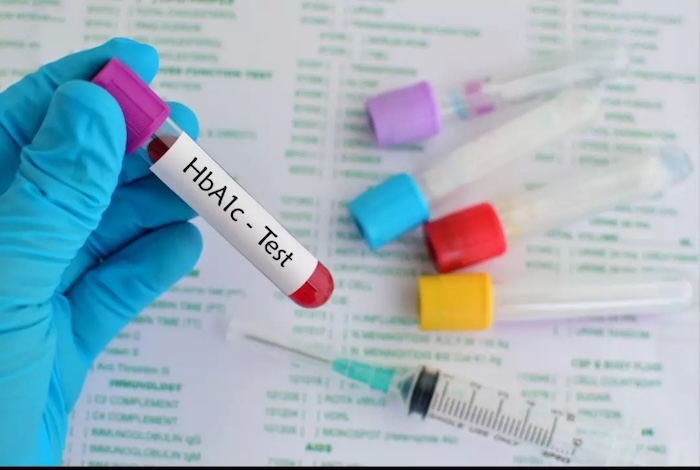
A new study in The Lancet Regional Health: Southeast Asia (February 2026) has raised concerns about the reliability of the HbA1c test for people in India.

Although HbA1c is widely treated as the global gold standard for tracking average blood sugar over the past two to three months, researchers caution that it may not accurately reflect the true scale of diabetes in India because of several region-specific factors.

Why the test is being questioned
High prevalence of anemia: More than half the population in many parts of India is affected by iron-deficiency anemia. Because anemia changes the lifespan of red blood cells, it can skew HbA1c readings upward or downward, regardless of a person’s actual glucose levels.
Genetic disorders: Inherited conditions that are relatively common in India—such as Thalassemia, Sickle Cell disease, and G6PD deficiency—can further interfere with the test’s precision. These disorders alter red blood cells in ways that make HbA1c results harder to interpret.
Standardization Issues: Uneven quality control among laboratories across the country adds another layer of uncertainty. When testing standards vary, so can the results.
Specialists, including lead author Dr Anoop Misra, say HbA1c should not stand alone as the only diagnostic measure. Instead, they urge clinicians to rely on a combination of tests to form a clearer picture.