According to a survey published in July in the journal Addiction, about one-third of primary care doctors, emergency medicine physicians, and dentists say they would prefer not to work with patients with opioid or stimulant use disorders. About one in five agreed with a statement saying that such patients were irritating. Doctors who had higher levels of stigma against these groups were less likely to treat substance use disorders or offer referrals for treatment, and 18.5% of responders said they felt there was little they could do to help these patients.

But “opioid use disorder is something where we have treatments. We know that treatments work,” said Elizabeth Stone, a health services researcher at Rutgers.

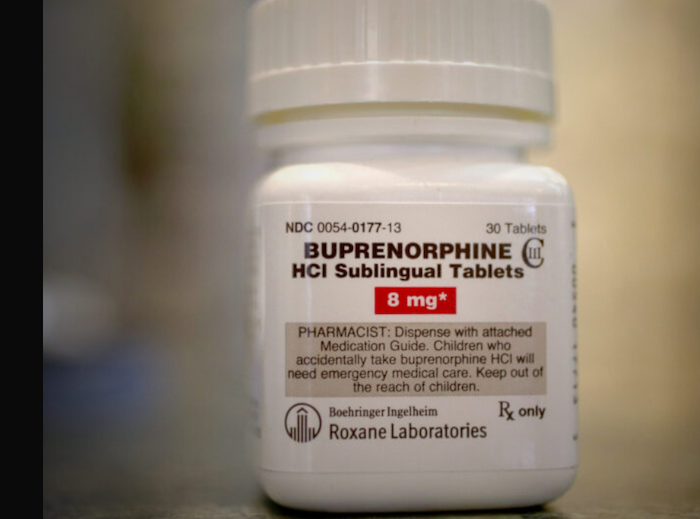
Those treatments include methadone and buprenorphine, drugs approved by the Food and Drug Administration for opioid use disorder in 1972 and 2002, respectively. The drugs work on opioid receptors in the brain to minimize both withdrawal symptoms and cravings, preventing relapses while cutting the risk of overdose by more than half.
Methadone is only available in specialized clinics. It can’t be prescribed to treat addiction or dispensed outside of a federally recognized opioid treatment center. When the FDA approved buprenorphine, it required doctors to undergo extra training and obtain a waiver to prescribe it. Congress voted to remove those extra requirements at the end of 2022, allowing any provider who can prescribe controlled substances to prescribe the drug.
But by the end of 2024, while there had been an increase in providers prescribing buprenorphine, the number of patients getting the treatment increased only slightly, according to a recent study by Stone and her colleagues. In the July survey, only about 10 percent of primary care doctors reported prescribing any kind of medication for opioid use disorders.
Having loved ones with substance use disorders, I’ve seen firsthand the difference it makes when doctors are empathetic and willing to treat the conditions and any problems that come as a result of them, versus when they turn patients away without so much as a referral.
Society asks for a lot from primary care providers and emergency medicine physicians, especially amid low compensation, high burnout, and a nationwide shortage of primary care doctors. But with tens of thousands of people in the U.S. still dying from overdoses and many more continuing to struggle with unsafe drug use, we need doctors to face their biases, choose to support patients with substance use disorders, and facilitate high-quality, evidence-based treatment when indicated. Anything less is unacceptable.
Ellen Edens, a psychiatrist at Veterans Affairs and associate director of the addiction psychiatry residency at the Yale School of Medicine, compares treating substance use disorders to treating a heart attack. “If you see a patient who’s having a heart attack, and you don’t give them quality, evidence-based treatment; if you don’t refer them; if you don’t take care of them — that is below standard of care, and that’s malpractice,” suggesting that withholding treatment from those with substance use disorders would be similarly dangerous and irresponsible.
In a Reddit forum focused on methadone, patients have described being unable to find primary care doctors who treat them equitably after finding out they take the drug. Two patients I corresponded with said their doctors knew little about the medications used to treat opioid disorder.
Not only are substance use disorders stigmatized, but “the treatment is stigmatized,” Edens said. “We have debates about if methadone is moral, right?”
But Edens, who has been teaching physician trainees about substance use for more than a decade, explains that it’s no more complicated than any other chronic condition. In 2010, she said, she started developing material to teach psychiatry residents at Yale. The coursework covered topics like how to screen for substance use disorders, how to talk to these patients, and how to formulate a treatment plan. It also reviewed existing medications for alcohol and opioid use disorders. (There are no FDA-approved medications for stimulant disorders yet.) The curriculum has now been taught at more than 20 other universities, she said.
For those doctors who are already practicing but aren’t confident working with patients with substance use disorders, this information is easy to find. She and her team eventually made the course available online through a grant from the Substance Abuse and Mental Health Services Administration. While the 12-hour class is geared toward health care professionals, she said it’s accessible and understandable enough for anyone to take and can be helpful for family, friends, and people with substance use disorders. Other organizations, like the American Society of Addiction Medicine, offer online training programs as well.
Pharmacies need to step up, too. Fewer than 40% of U.S. pharmacies stock buprenorphine as of 2023, forcing patients to jump through additional hoops to get the medication even after their providers prescribe it. Pharmacies in states with the fewest restrictions on prescribing were the most likely to have pharmacies that dispensed the drug.
Edens says that tight regulations on some medications for opioid use disorders like buprenorphine and methadone may have misled doctors into believing these medications are riskier than they really are. When we implement restrictions on these drugs, “we scare doctors right off the bat,” she said.
Stone says she wasn’t surprised by her findings in the recent study, but she was disappointed. “There’s still a lot of work to do on stigma, willingness of providers to prescribe these medications, and to work generally with patients with opioid use disorder,” she added.
When it comes to empowering physicians with knowledge about substance use disorders and the awareness to confront their own biases, Edens says that teaching trainees is the “low-hanging fruit,” but that more experienced providers often still lack accurate knowledge about addiction.
She adds that doctors who see patients with substance use disorders need to consider “the harm of not treating versus the harm of treating. And there really is real harm in not treating. I think a lot of times prescribers underestimate that.”
Emma Yasinski is a freelance science journalist whose work has been published in MedShadow.org, The New York Times, and National Geographic. She also maintains a Substack about medications for opioid use disorders at DailyMAT.substack.com.
This article was originally published on Undark. Read the original article